Bridging the product-marketing gap in a customer support rebrand
Table of Contents
Summary
Help Scout is an all-in-one platform for providing support and cultivating relationships with your customers. As a Design Engineer on the Design Team, I was responsible for technical ownership of Help Scout’s marketing site and design system, bridging the gap between product design and marketing departments.
Outcomes
5-month
end-to-end rebrand timeline (from inception to release)- Web Content Accessibility Guidelines AA-level compliance
- Brand cohesion between product and marketing
- Actionable migration strategy to a headless CMS
Approaching maintenance through systems lens
Maintenance is as important as building new features. The cost of lacking investment in migrations and processes compounds over time. Design system-led products aren’t immune to these issues, as they can grow uncontrollably, ultimately impacting brand perception and the ability to contribute.
-
The technical debt myth
Karolina Szczur, Design Engineer
When I joined Help Scout, I immediately started assessing the health of the Marketing Design System I was responsible for, and how it affected organisational goals (Was is enabling or slowing us down? Did it foster a positive experience for our customers?). I identified and fixed numerous pain points: inconsistent design tokens sprawl, lacking accessibility, and web performance bottlenecks.
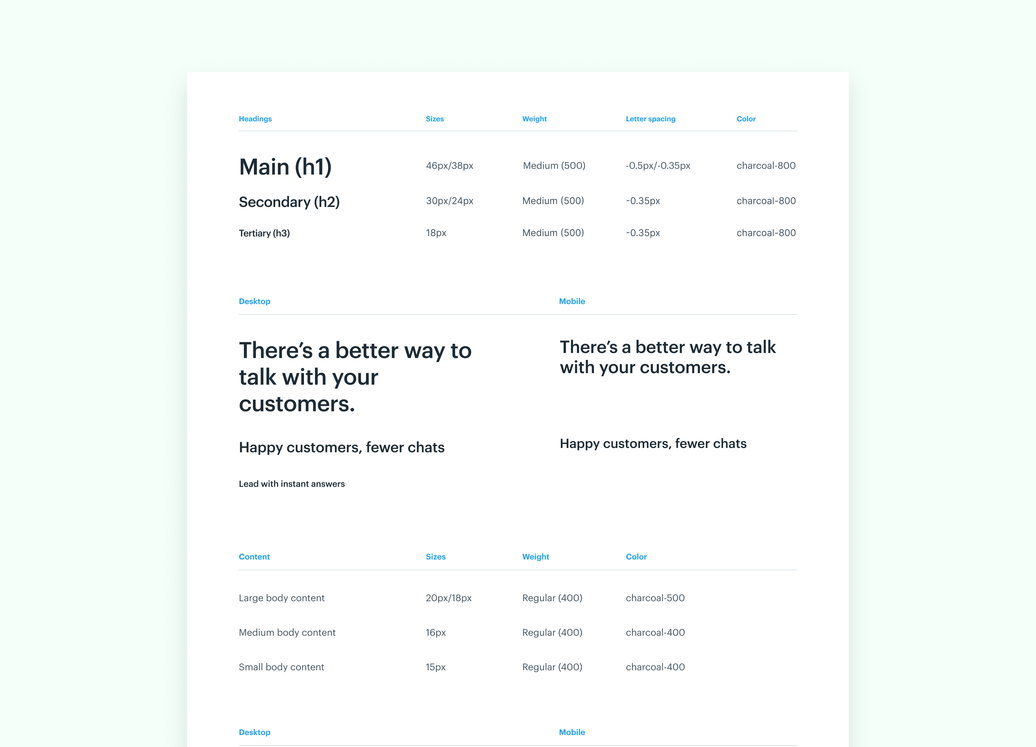
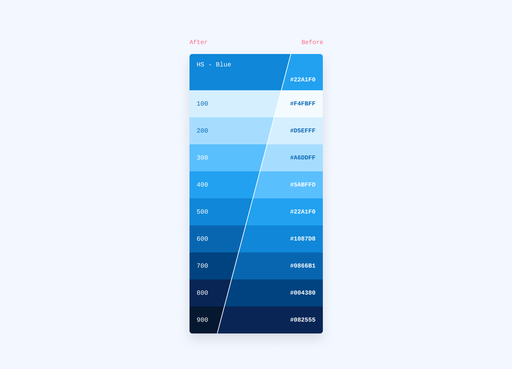
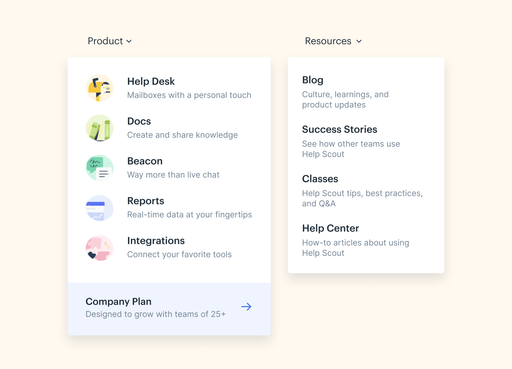
Audits like this are common in design system practice, often enabling much more than decreased maintenance cost and increased cohesion. Assessing design tokens was helpful in speeding up marketing designers in creating new type scales and a colour palette in the upcoming rebranding:
“She always strives to do what’s right for the user”
Karolina is an extremely thoughtful and passionate designer. Her advocacy and care for principles like accessibility, experience, performance, and documentation improved how teams approached design, product, and engineering.

Jon Quach
Design Engineer @ Help Scout
Building the rebrand
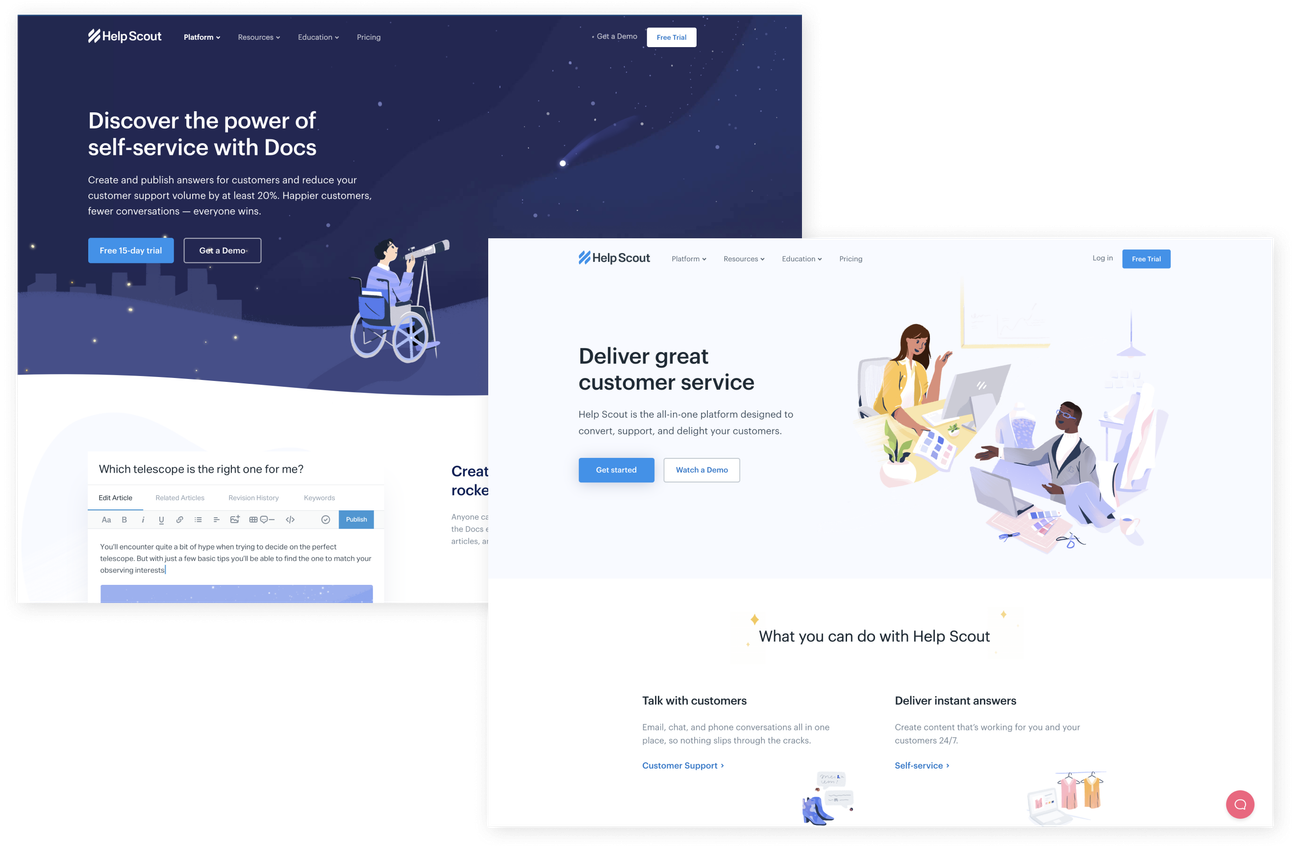
In 2019, it became apparent that the current Help Scout brand didn’t reflect the company values and was no longer best at portraying the value the product brings. It was time for a change. The primary goal of the project was to freshen up the brand through new colours, typography, grids and distinct illustration style (which had to work responsively, too). The marketing page hasn’t been entirely rewritten since the inception of the business!
Capitalising on my previous improvements, in just a month, I’ve rebuilt the marketing site with a focus on accessibility, web performance, and design details essential to the new branding. I collaborated closely with marketing and product designers to maintain cohesion between these surfaces.
-
Making (and Breaking) the Help Scout Brand
Linda Eliasen, Head of Design
Enabling cross-functional peers to contribute
I’m a big supporter of enabling everyone to contribute, no matter their role. While working closely with the Marketing Team, it became evident that publishing content and making changes to Help Scout’s website was unnecessarily difficult, even after the rebranding. Constantly relying on developers to make the smallest copy changes while maintaining a robust blog and executing on various marketing initiatives is far from ideal for business goals. Even more so in a fully remote organisation that has to contend with non-overlapping timezones.
Migrating from a bespoke Jekyll-powered site to a content management system has been discussed so many times, it’s become an internal joke. Often, in those scenarios, codebases become large, unwieldy, and “too scary” to commit to a substantial, costly rethinking. However, the price of operating with not-fit-for-purpose tooling was higher than a migration, so I took it on.
I started by interviewing stakeholders to clarify the scope—the greatest obstacles and would-love-to-see features. Once I defined the problem space, I researched dozens of possible implementation pathways: their pros, cons, and costs. Landing on a headless CMS solution that could be built into the current stack, the final result was an actionable strategy that was implemented after my departure.
In the words of content lead, who’s team was most acutely affected by the lack of suitable solution:
“Karolina took on a pie-in-the-sky project that had previously been dismissed as too daunting by everyone else”
Karolina took on a pie-in-the-sky project (a complicated exploration of the marketing + design team's transition to a CMS) that had previously been dismissed as too daunting by everyone else faced with the prospect in the previous several years.
She broke it down into manageable pieces that she chipped away at systematically until the project moved from exploratory to an inevitability—all while balancing and making meaningful progress on a number of other high-priority projects.

Emily Triplett Lentz
Content Strategy Lead @ Help Scout